
Outcomes of the Largest Four-Day Work Week Trial in the UK
The concept of a four-day work week has gained significant attention since 2022, with companies globally contemplating its advantages and disadvantages. Various nations, including Japan, the United States, and Iceland, have conducted trials, each revealing positive impacts. Japan experienced a 40% boost in productivity, Iceland witnessed improved well-being and productivity without a pay cut, and in the United States, job satisfaction increased by 45%, with 60% reporting enhanced work-life balance.
These trials collectively suggest a favorable reception of the four-day work week among the workforce. The United Kingdom, the latest participant in this trend, has completed its pilot program. The results align with existing global evidence, emphasizing the feasibility and desirability of a four-day work week in today's work environment.
Heightened Productivity, Improved Work-Life Balance, and Engagement
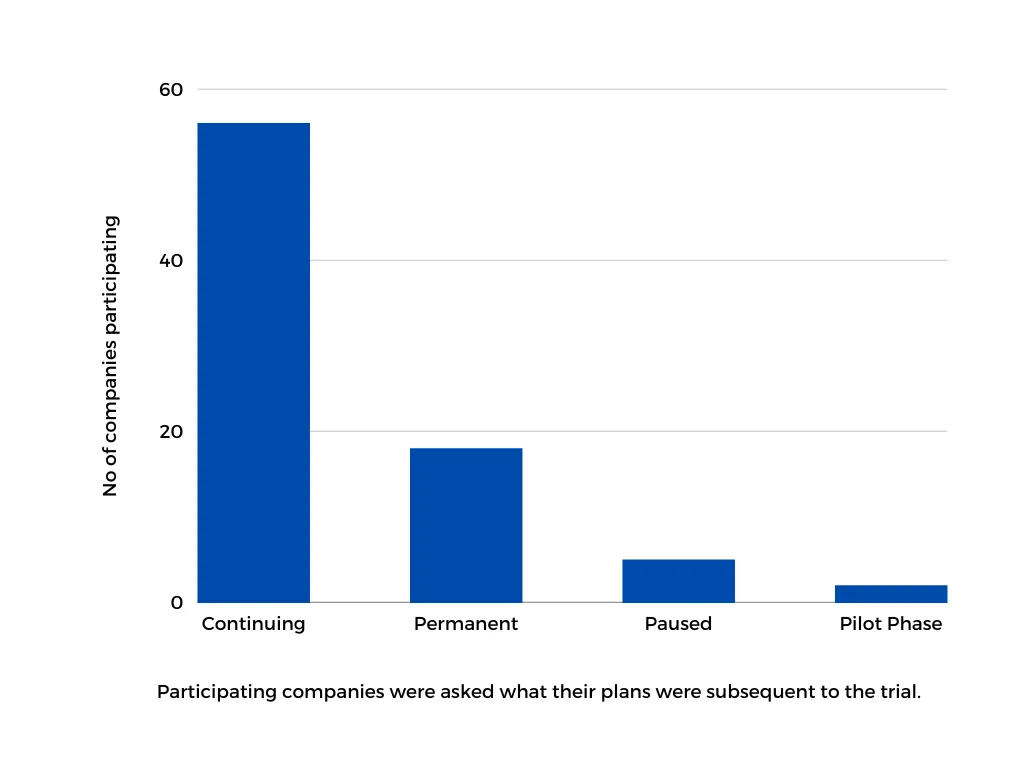
4 Day Week Global reported that out of 61 participating companies, 56 (92%) continued with the four-day week, with 18 committing to making it a permanent policy change. Among the five not continuing, two extended their trials of shorter working hours, while three temporarily paused the four-day week.
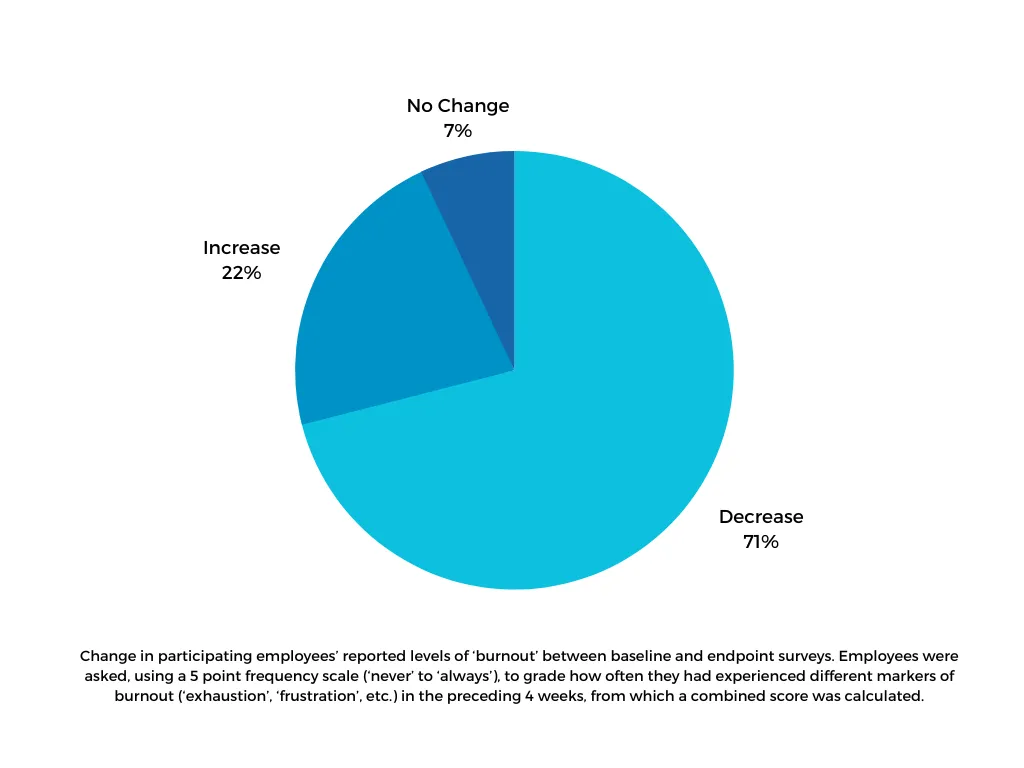
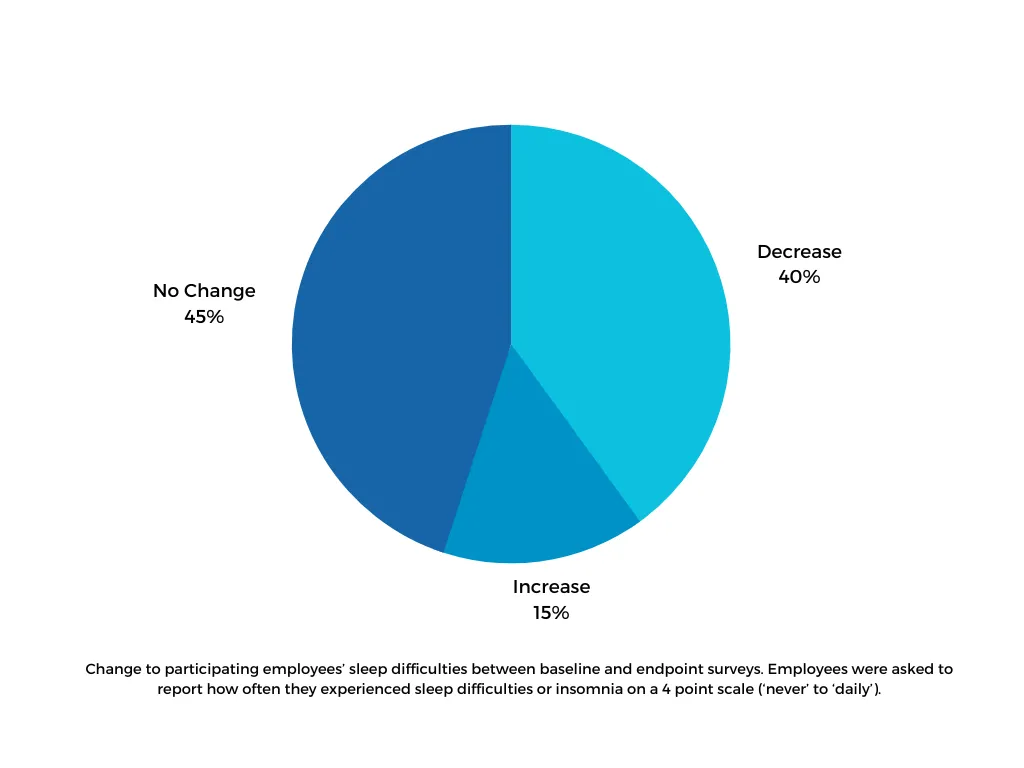
Employees were found to be as, if not more, productive during the four-day work week. The research conducted before and after the trial revealed a 39% decrease in stress levels and a 71% reduction in burnout. Anxiety, fatigue, and sleep issues decreased, while both physical and mental health significantly improved.
The trial also demonstrated an enhancement in work-life balance, making it easier for 54% of employees to manage their professional and domestic responsibilities. Similar experiments in Japan, Australia, and New Zealand have yielded equally impressive results for the four-day work week.
Key to Success: Output-Focused Working
The trial's findings shed light on how organizations successfully reduced working hours without compromising business goals. The emphasis on output-focused work, prioritizing specific results within a given timeframe over the number of hours worked, emerged as a key driver of success. Participants noted that this approach encouraged employees to efficiently complete assigned tasks and allowed businesses to assess performance based on results rather than time spent at desks.
Considerations for Implementation
While the benefits of a four-day work week are substantial, it may not be universally applicable. Industries with continuous operational requirements, such as healthcare, emergency services, transportation, and manufacturing, may face challenges due to the need for 24/7 operations. Some companies, like Allcap, an engineering and industrial supplies company, encountered difficulties during the trial, emphasizing that the four-day workweek isn't a one-size-fits-all solution.
Organizations should carefully weigh the pros and cons, considering the individual needs of their staff members. Creative alternatives, such as no-meeting days, flexible work timings, and fixed hours for the year, could be explored to promote work-life balance. While the four-day work week might not be universally applicable, the positive momentum it has gained globally suggests it is worth considering to create a more positive work environment for employees.
|
Need Help Navigating Global Employment?
Remoly provides EOR and global payroll services covering 100+ countries. |
Remoly — Your Global EOR & Employer of Record Partner
Serving 100+ Countries & Regions Worldwide
* This article is for informational purposes only and does not constitute legal advice. For specific compliance guidance, consult a qualified professional.
Related Articles




Easy to start,
intuitive to use
